President Donald Trump has reignited a decades-old debate surrounding the release of classified documents related to the 1963 assassination of President John F. Kennedy and the 1968 assassination of Rev. Martin Luther King Jr. Through an executive order, Trump called for the release of all remaining files, asserting that the American people deserve complete transparency about the events surrounding these historic tragedies.
“More than 50 years after the assassinations of President John F. Kennedy, Senator Robert F. Kennedy, and the Rev. Dr. Martin Luther King, Jr., the federal government has not released to the public all of its records related to those events,” the order stated. “Their families and the American people deserve transparency and truth. It is in the national interest to finally release all records related to these assassinations without delay.”
Standing firm on the matter, Trump declared, “Everything will be revealed,” emphasizing his belief that such transparency is long overdue. However, the executive order and Trump’s public statements have sparked sharp criticism, most notably from Jack Schlossberg, JFK’s grandson, who has accused Trump of politicizing the issue.
A Long History of Speculation and Conspiracy
The Kennedy assassination has been the subject of intense speculation and countless conspiracy theories for decades. While the Warren Commission concluded in 1964 that Lee Harvey Oswald acted alone, lingering doubts and unreleased files have fueled suspicions of a broader cover-up. Despite previous releases of some files, thousands of pages remain classified, perpetuating mistrust among the public.
Advocates for full disclosure argue that withholding these documents only deepens skepticism about the government’s role or knowledge of the events. Trump’s executive order aligns with the demands of transparency advocates and conspiracy theorists who believe these files may hold critical information.
Schlossberg Pushes Back
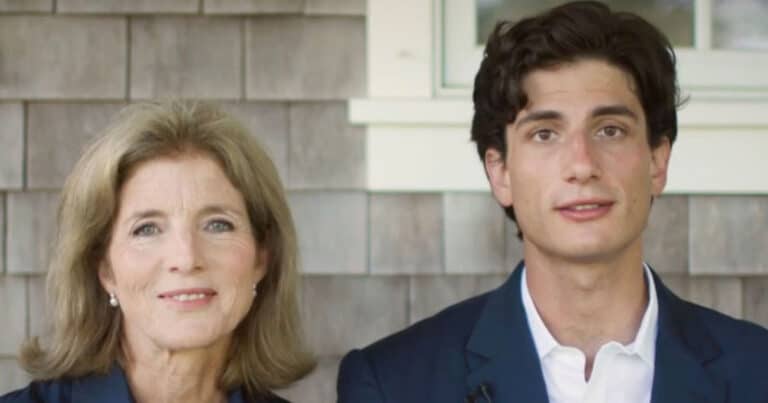
Jack Schlossberg, the grandson of JFK and son of Caroline Kennedy, publicly criticized Trump’s push for declassification. Taking to social media, Schlossberg expressed his opposition, arguing that using JFK’s assassination as a political tool disrespects his grandfather’s legacy.
“JFK conspiracy theories—the truth is a lot sadder than the myth—a tragedy that didn’t need to happen. Not part of an inevitable grand scheme,” Schlossberg wrote on X (formerly Twitter). “Declassification is using JFK as a political prop when he’s not here to punch back. There’s nothing heroic about it.”
Schlossberg faced a wave of backlash online, with critics accusing him of opposing the public’s right to know the truth. Many questioned whether Schlossberg himself had reviewed the classified files. “Imagine not wanting to know how your grandfather died… how weird,” one user commented, while another added, “Have you read the documents? What puts you in a position to know what’s being declassified?”
Schlossberg’s sharp response—“I know everything d***”—sparked further debate, with some questioning the Kennedy family’s stance on transparency.
Balancing Transparency and Security
Trump’s push for full disclosure appeals to those seeking answers to one of the most enduring mysteries of the 20th century. His stance reflects his broader campaign theme of challenging entrenched government secrecy and appealing to grassroots supporters who demand accountability. Critics, however, argue that Trump’s actions risk exposing sensitive information that could compromise national security or reignite baseless conspiracy theories.
Schlossberg’s opposition underscores the tension between public interest and the Kennedy family’s desire to maintain a controlled narrative about JFK’s assassination. For Schlossberg and others in his family, the push for declassification may feel like a reopening of old wounds, transforming a deeply personal tragedy into fodder for public spectacle.
A Debate Rekindled
As the controversy unfolds, Trump’s move to declassify the JFK and MLK files adds another layer to his complex political legacy. It appeals to transparency advocates while simultaneously reigniting debates about historical truth, governmental secrecy, and the Kennedy family’s influence over the narrative.
Whether the documents will bring clarity or fuel further speculation remains to be seen. For now, Trump’s executive order serves as a stark reminder of the power and complexity of historical memory in shaping political discourse. The files’ release—or continued withholding—may ultimately determine whether this chapter of American history can ever truly be closed.
