Evolution is an interesting and enigmatic phenomenon. The idea that all mammals, including ourselves, are interconnected somehow is fascinating. One that can be difficult to fully grasp – where do we find proof of evolution? Evidence of our ancestral heritage, tracing back from early apes to Neanderthals and ultimately to the modern Homo sapiens we have become, is abundant.
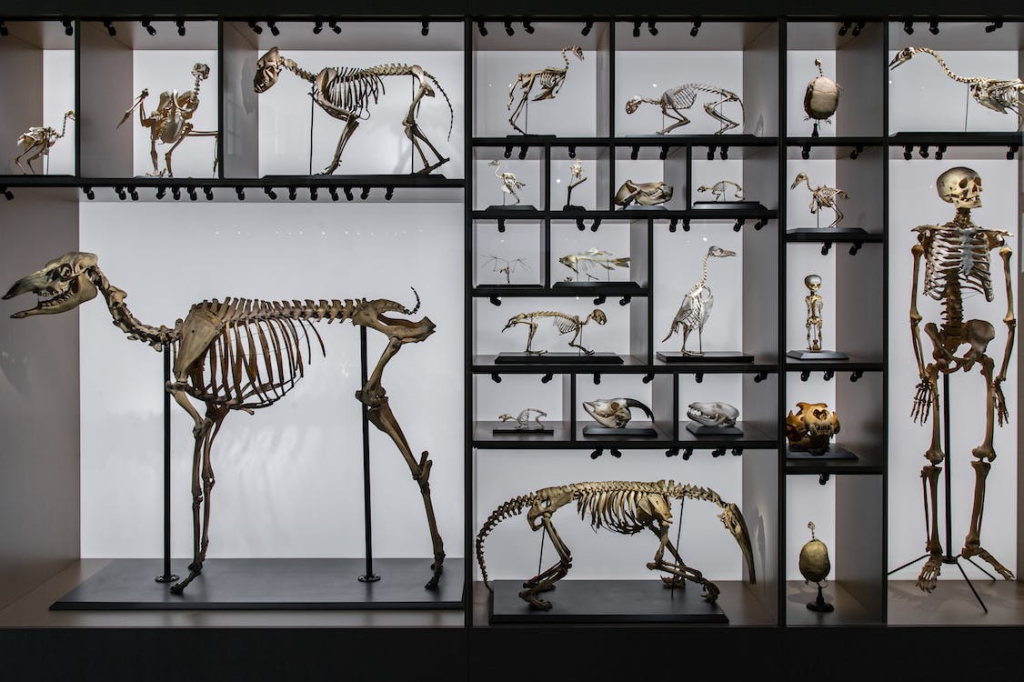
A remarkable location to observe proof of evolution? Our very own bodies!
Numerous internal and external characteristics we possess are merely remnants passed down from our predecessors. Many of these features no longer serve a practical purpose in our current lives. As many people no longer scavenge for food or wander as nomads, we still retain these almost useless traits. They have been passed down to us from a time when they were crucial for survival.
Take, for instance, the strange feeling of getting goosebumps. It is not merely a random occurrence. Our mammalian ancestors, when experiencing cold temperatures, had a familiar way of dealing with the problem. Goosebumps served as a mechanism to increase their surface area and retain heat. A muscle connected to our arm hairs contracts when we are cold—causing the hairs to stand upright and creating bumps on the skin.
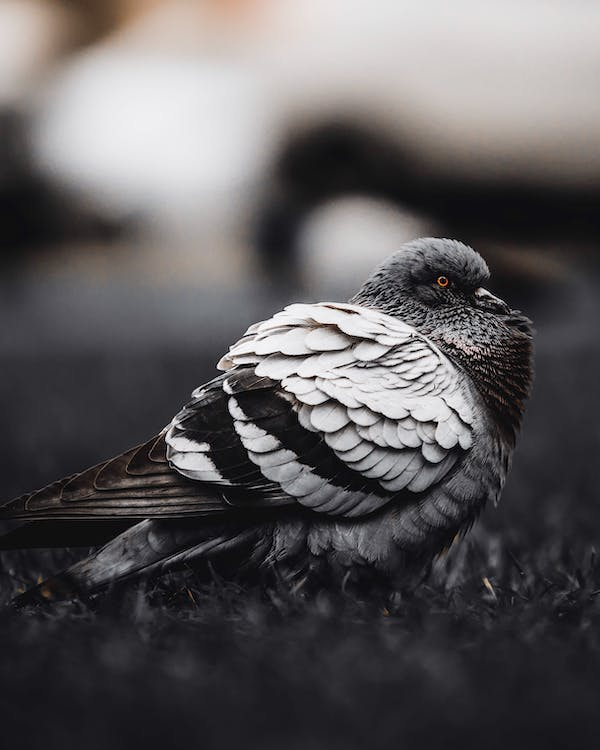
This physiological response doesn’t serve a significant purpose in our present lives. But apart from reminding us that we should have brought a coat, we can still observe modern mammals taking to this biological instinct. For example, when facing chilly weather. You might have seen a pigeon puff up on a cold winter day, pushing out its feathers to keep warm. If that isn’t proof of evolution, then what is?
Additionally, when an animal feels threatened, such as when you surprise your cat, you’ll notice their fur will puff out. This defense mechanism is an ancient adaptation aimed at deceiving potential attackers by creating an illusion of a bigger size.
But there is one trait that undeniably shows proof of evolution
One truly remarkable evidence of evolution lies within our arms, specifically within our tendons. A tendon has been evolutionarily phased out in almost 10-15% of the human population, suggesting that we humans are far from reaching the end of evolution.

This tendon is associated with an ancient muscle known as the palmaris longus, which was predominantly used by arboreal primates such as lemurs and monkeys to aid in their movement from branch to branch. As humans and ground-dwelling apes like gorillas no longer rely on this muscle or tendon, both species have gradually been losing this internal function.
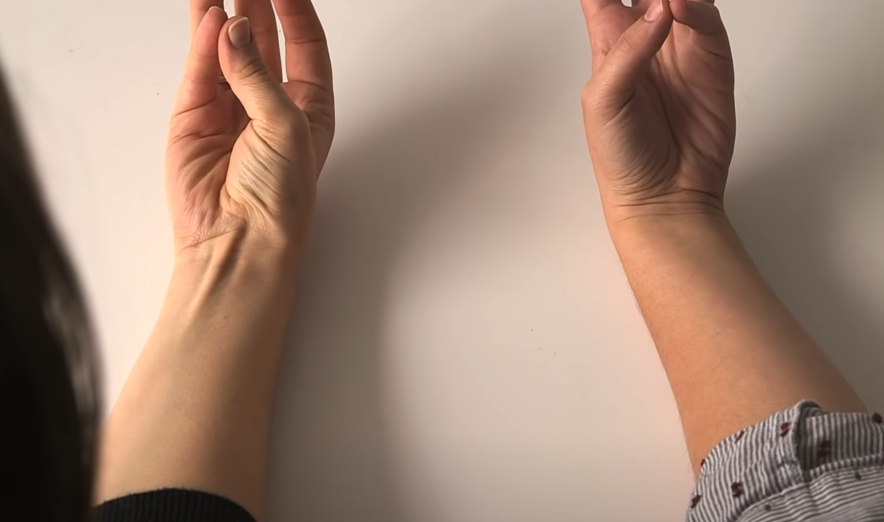
Nonetheless, evolution operates at its own pace – slowly, so nearly 90% of humans still retain this vestigial trait passed down from our primate ancestors. To check if you possess this tendon, place your forearm on a table with your palm facing upwards. Touch your pinky finger to your thumb and slightly lift your hand off the surface. If you observe a raised band in the middle of your wrist, you have the tendon connected to the still-existing palmaris longus.
If you do not see this tendon, congratulations, you are showing an evolutionary change!
The presence or absence of this tendon does indeed offer a fascinating connection to our ancestral lineage, with those possessing it carrying a tangible link to our evolutionary past. Likewise, individuals without this tendon represent tangible evidence of ongoing human evolution.
The ways in which our bodies retain traces of our evolutionary history never cease to amaze us. It’s remarkable to consider how our physical features, even those which seem insignificant or obsolete, can reveal profound insights into our evolutionary journey.
Sources
- “Proof of evolution that you can find on your own body.” Vox. Joss Fong. March 17, 2016
- “Here’s Proof of Evolution You Can Find on Your Own Body.” Science Alert. October 10, 2018


